Australia's Data Centre Growth: Energy Opportunity or Environmental Crisis?
Global technology giants are pouring billions of dollars into Australia, positioning the country as a hub for artificial intelligence. The resulting data centre boom promises economic benefits, but it also raises critical questions about energy consumption, grid stability, and environmental impact. This article explores whether these facilities will fuel an energy boom or lead to a bust.
The Surge in Data Centre Investments
Major players like Microsoft, Amazon, and Google have announced substantial investments in Australian data centres, with projections reaching into the billions of dollars. The driving force behind this expansion is the rapid growth of artificial intelligence and cloud computing, which require immense data processing and storage capacity. According to industry reports, Australia’s data centre market is expected to grow at a compound annual rate of over 15% through the end of the decade.

Why Australia is a Prime Location
Australia offers several advantages for data centre development. Its stable political environment, robust digital infrastructure, and relatively low natural disaster risk make it attractive. Additionally, the country’s proximity to Asian markets allows tech firms to reduce latency for customers in the region. Government incentives and a competitive energy market have further encouraged investment, though the energy question remains central to the debate.
The Energy Challenge: Grid Strain and Renewable Integration
Data centres are notoriously energy-intensive. A typical hyperscale facility can consume as much electricity as a small town. With dozens of new centres planned across Australia, the cumulative load could strain the national grid, particularly in regions like New South Wales and Victoria where most facilities are concentrated. The Australian Energy Market Operator (AEMO) has warned that without careful planning, data centre growth could exacerbate peak demand and require costly upgrades to transmission infrastructure.
Potential for an Energy Boom
Proponents argue that data centres could drive an energy boom. The massive power demand creates a stable revenue stream for energy providers, incentivising investment in new generation capacity—especially renewable energy. Tech companies are increasingly committing to carbon-neutral or 100% renewable operations, which could accelerate the transition to wind, solar, and battery storage. For example, several data centre operators have signed long-term power purchase agreements (PPAs) with renewable projects, helping to finance new wind farms and solar arrays. This symbiosis might position Australia as a leader in green data processing.
Risk of an Energy Bust
Conversely, the energy bust scenario involves grid instability and environmental backlash. If data centres are built faster than renewable capacity can be added, they may rely on fossil fuels—especially coal and gas—to meet their 24/7 demands. This could increase Australia’s greenhouse gas emissions and undermine climate targets. Moreover, local communities have raised concerns about land use, water consumption for cooling, and the visual impact of large facilities. In some areas, protests have delayed project approvals, creating uncertainty for investors.
Environmental and Regulatory Debates
The environmental debate extends beyond energy. Data centres require significant water for cooling, especially in Australia’s arid regions. Some facilities are adopting innovative cooling technologies like liquid immersion or using recycled water to reduce their footprint. However, regulations remain inconsistent across states, and there is no national standard for data centre sustainability. Environmental groups are calling for mandatory reporting of energy and water usage, as well as stricter emissions caps.
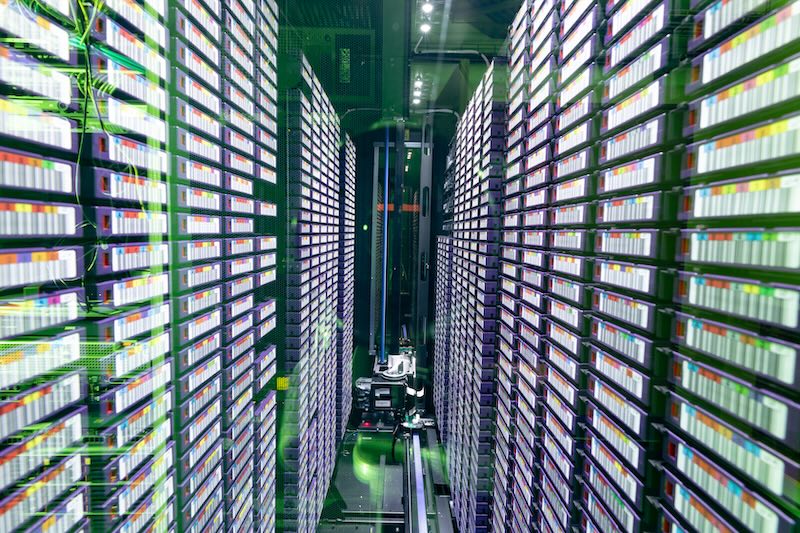
On the regulatory front, the Australian government has launched consultations on the energy and planning implications of data centres. A key issue is whether these facilities should be classified as critical infrastructure, which would give them priority during energy shortages. Critics argue that such status could pass costs onto other consumers. The debate underscores the need for a balanced approach that encourages investment while protecting the grid and environment.
Balancing Growth and Sustainability
To avoid a boom-bust outcome, experts recommend several strategies. First, data centres should be co-located with renewable energy generation and storage, such as behind-the-meter solar and battery systems. Second, demand response programs could allow centres to reduce consumption during peak grid periods. Third, improving energy efficiency through advanced cooling and server optimisation can lower overall demand. Finally, transparent planning and community engagement can help mitigate local opposition.
Several Australian projects are already piloting these approaches. For instance, a new facility in Victoria will be powered entirely by a dedicated solar farm and battery storage, aiming for net-zero carbon operations. Meanwhile, a consortium of tech firms is funding grid upgrades in regional areas to support data centre clusters. These examples show that a responsible path forward is possible.
Conclusion
Australia’s data centre dilemma is not a simple choice between boom or bust. The outcome depends on how quickly renewable energy can be deployed, how effectively regulations evolve, and whether tech companies prioritise sustainability. If managed well, the data centre boom could catalyse a clean energy revolution and cement Australia’s role in the global AI race. But without foresight, it risks overloading the grid and inflating carbon emissions. Policymakers, industry, and communities must work together to ensure that the digital future is both prosperous and sustainable.
For more on the energy challenge facing data centres, see our analysis above. To explore balancing growth and sustainability, continue reading.